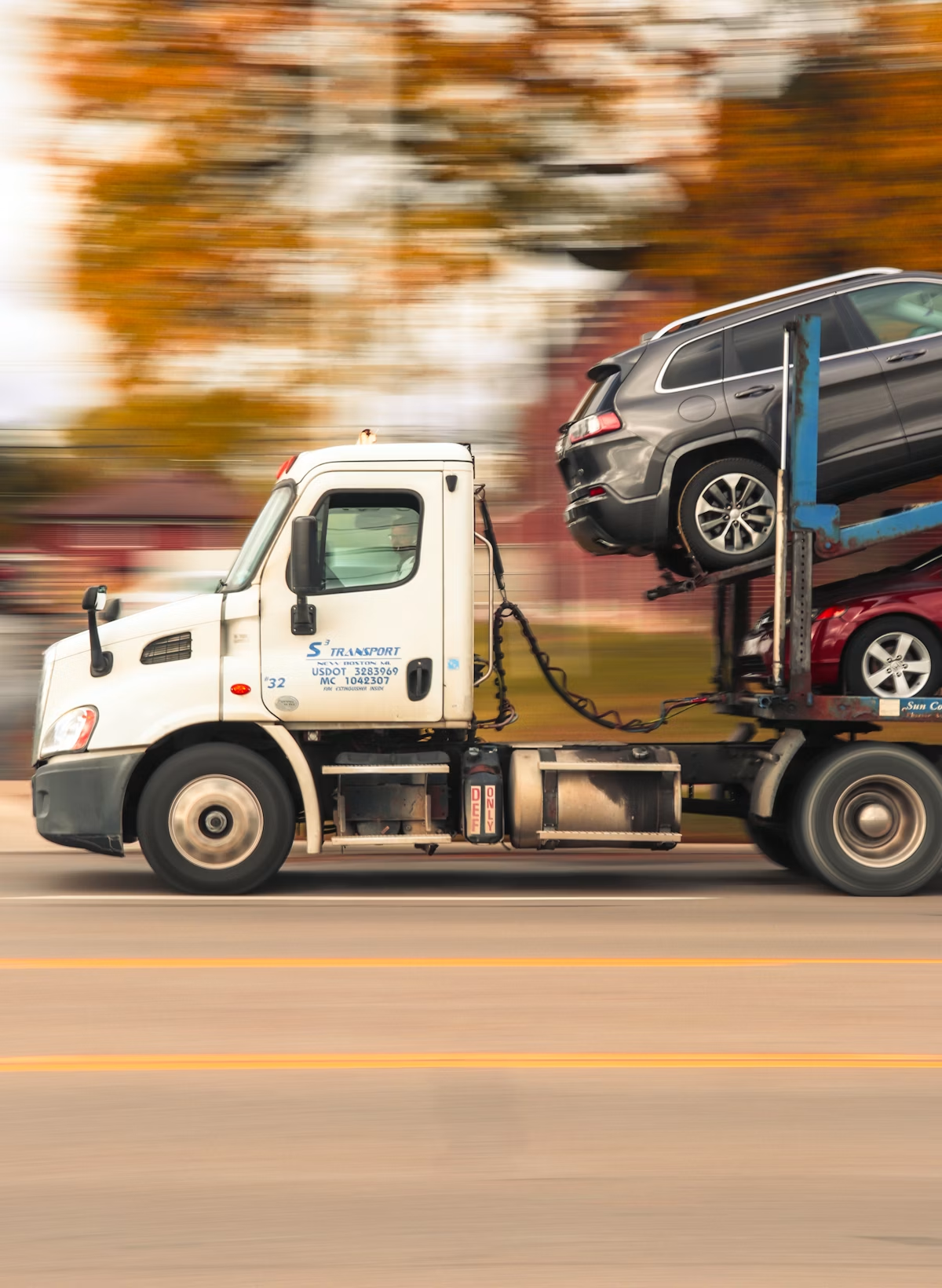
Most people spend a lot of time picking a car shipping company and almost no time preparing the vehicle itself. That is where problems start. A few hours of prep before the carrier arrives protects you against damage disputes, delays, and surprises at delivery.
Here is what to do before the truck shows up.
Document the car's condition before pickup
This is the single most important step. Take photos of every panel, the roof, all four tires, the windshield, and the interior. Do it in good light. The goal is a timestamped visual record of every scratch, chip, and ding that existed before transport.
When the driver arrives, you will both complete a vehicle inspection report — also called a Bill of Lading. Review it carefully and make sure every pre-existing mark you documented is noted on that form. Do not sign if something is missing. Once you sign, what is on the form is what you will have to work with if a claim comes up.
Remove personal items from the vehicle
Carriers' cargo insurance does not cover personal belongings left inside the car. Leave nothing valuable in the cabin or trunk. Floor mats, phone chargers, sunglasses — take them out. Some carriers will refuse to load a vehicle with obvious personal property inside; others will note it and exclude it from any insurance claim.
The only exception most companies allow: a single emergency kit in the trunk (jumper cables, basic tools). Confirm with your carrier before leaving anything.
Check for fluid leaks and mechanical issues
A car that drips oil or coolant can damage other vehicles on the carrier. Most companies will accept a mildly leaking vehicle but will ask you to disclose it at booking. If your vehicle has a significant leak, expect it to be flagged or declined.
Also confirm the battery is charged and the fuel tank is no more than a quarter full. A full tank adds unnecessary weight; a dead battery creates a problem at delivery.
Disable alarm systems
If your car has a factory or aftermarket alarm, disable it or leave a note with the deactivation steps. An alarm that triggers in transit and cannot be turned off causes delays and driver frustration — and in some cases, the driver may have to leave the vehicle at a terminal rather than complete door-to-door delivery.
Retract or remove external accessories
Anything that extends beyond the car's standard profile needs to come off or fold in before transport:
- Roof racks, cargo carriers, and bike racks
- Spoilers or aerodynamic add-ons that are not factory standard
- External antennas
- Trailer hitches that stick out further than typical
For lifted trucks and vehicles with custom modifications, flag the dimensions at booking so the carrier can confirm the vehicle fits their trailer.
Make sure the vehicle runs and rolls
Confirm the car starts, moves under its own power, and can be steered. If your vehicle is inoperable, disclose that at booking — it requires a different loading process and typically costs more. Showing up with a non-running car that was booked as operable can result in additional fees or a refused pickup.
Confirm pickup logistics
Know where the carrier can access your address. A standard car-hauler is a large commercial truck that needs room to maneuver. If you live on a narrow street, in a gated community, or somewhere with low-clearance obstacles, discuss terminal or nearby meeting-point options with your carrier in advance.
Have a local contact available on pickup day if you will not be there personally. The driver needs someone to hand the keys to and sign the inspection report.
At delivery: inspect before you sign
When your vehicle arrives, do the same inspection you did at pickup. Compare the car's condition against your pre-shipment photos and the Bill of Lading. Note any new damage on the delivery report before signing. Once you sign a clean delivery report, disputing a damage claim becomes significantly harder.
Our Top Pick
RoadRunner Auto Transport requires no deposit at booking, works with a vetted carrier network, and provides real-time tracking from pickup to delivery. See our full ranking of the best car shipping companies.
Get a Free Quote →