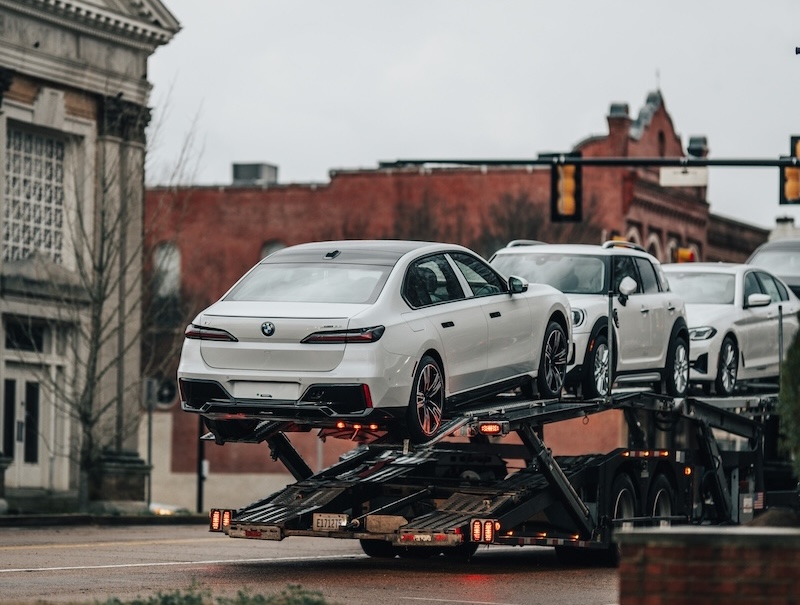
Most people assume their vehicle is fully covered when it is on a truck. It usually is — up to a point. Understanding what coverage actually exists, where the gaps are, and when you need to ask questions can save you a significant headache if something goes wrong in transit.
What Insurance Is Required by Law
Every auto transport carrier operating in the US is required by the FMCSA to carry cargo insurance. This is not optional; a carrier without current insurance cannot legally operate. The minimum required coverage is $750,000 in liability for most standard carriers.
That sounds like a lot, but keep in mind that a single truck can carry eight to ten vehicles at once. The policy covers the entire load, not each vehicle individually. If multiple vehicles are damaged in one incident, that coverage is divided across all of them.
What the Carrier's Insurance Actually Covers
Carrier cargo insurance covers damage caused by the carrier's negligence during transport. If a strap breaks and your vehicle shifts, if a load is secured improperly and a vehicle is scratched, if the truck is in an accident and your car takes damage — these are scenarios where the carrier's insurance applies.
What it typically does not cover:
- Pre-existing damage not documented at pickup
- Weather-related damage on open carriers (rain, hail, road debris)
- Personal items left inside the vehicle
- Mechanical issues that arise after transport
- Damage below a deductible threshold, which the carrier sets
The deductible is the part most people do not think about. If the carrier has a $500 deductible and your vehicle sustains $400 in damage, you may receive nothing.
The Importance of the Inspection Report
Before your vehicle is loaded, the driver should complete a vehicle inspection report documenting its existing condition. This is your most important document if damage occurs during transport.
Note every scratch, dent, and chip before the driver leaves. Sign the report only after reviewing it carefully. When your vehicle is delivered, inspect it again before signing the delivery report. Any new damage should be noted on the spot, with the driver present. Signing the delivery report without noting damage can complicate or eliminate a claim.
When to Ask About Supplemental Coverage
For most standard vehicles on most routes, the carrier's required insurance is sufficient. For high-value vehicles, the math changes.
If your vehicle is worth more than $50,000 and the carrier's cargo policy has a per-vehicle sublimit, the carrier's coverage may not fully cover a total loss. Some brokers offer supplemental or gap coverage for an additional fee; this bridges the difference between the carrier's coverage limit and your vehicle's actual value.
Questions worth asking before booking a high-value vehicle:
- What is the carrier's per-vehicle coverage limit?
- What is the deductible?
- Is supplemental or gap coverage available?
- Does my personal auto insurance extend to vehicles in transit?
That last question is worth a call to your insurance agent. Some personal auto policies provide coverage for vehicles in transit; many do not.
Open vs. Enclosed and Insurance
Enclosed transport does not automatically mean more insurance coverage. The carrier's policy may be similar regardless of transport method. What enclosed transport does provide is protection from the weather and road debris that open carriers are exposed to — which reduces the likelihood of a claim in the first place. See our guide to open vs. enclosed transport for more detail.
For high-value or condition-sensitive vehicles, enclosed transport plus verified coverage is the right combination.
Our Top Pick
RoadRunner Auto Transport works with a vetted carrier network and offers transparent pricing with no deposit at booking. See our full ranking of the best car shipping companies.
Get a Free Quote →